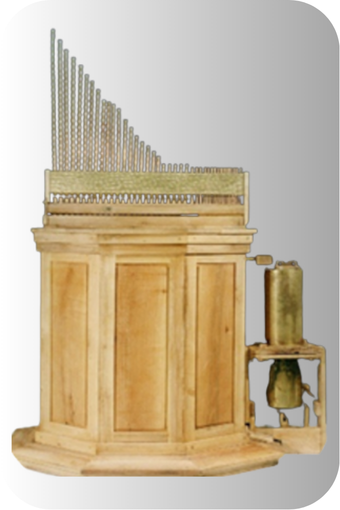
Archaeological Challenges
Despite its significance, the Hydraulis has been preserved only in a highly fragmented condition. Most of its pipes, keys, and structural components are missing, making it impossible to directly understand how the instrument functioned or how it originally sounded. In its current state, the archaeological remains are unable to produce sound, presenting a major obstacle to the study of its musical and acoustic properties.
Digital Reconstruction and Innovation
To overcome these limitations, the instrument will be virtually reconstructed and transformed into a Digital Twin. Missing components will be digitally rebuilt based on archaeological evidence, historical sources, and comparative analysis. Material testing of the surviving fragments will inform the development of accurate physical prototypes, ensuring fidelity to the original construction. In parallel, acoustic profile digitization of relevant architectural spaces will be conducted to preserve and recreate the Hydraulis’ original performance environment. This approach enables the reconstruction of authentic ancient soundscapes and listening conditions. Advanced AI models will be employed to simulate long-term material aging and its effects on sound quality and tonal characteristics. These models will allow the instrument’s acoustic behavior to be updated dynamically in real time, reflecting environmental and material changes.
The final Digital Twin will be integrated into immersive virtual environments, offering interactive, real-time sound rendering. Users will be able to experience dynamic optimization of pitch, harmonics, and resonance, providing an unprecedented insight into the musical performance of an ancient instrument and contributing to the preservation and dissemination of cultural heritage.
Preservation and Reconstruction Challenges
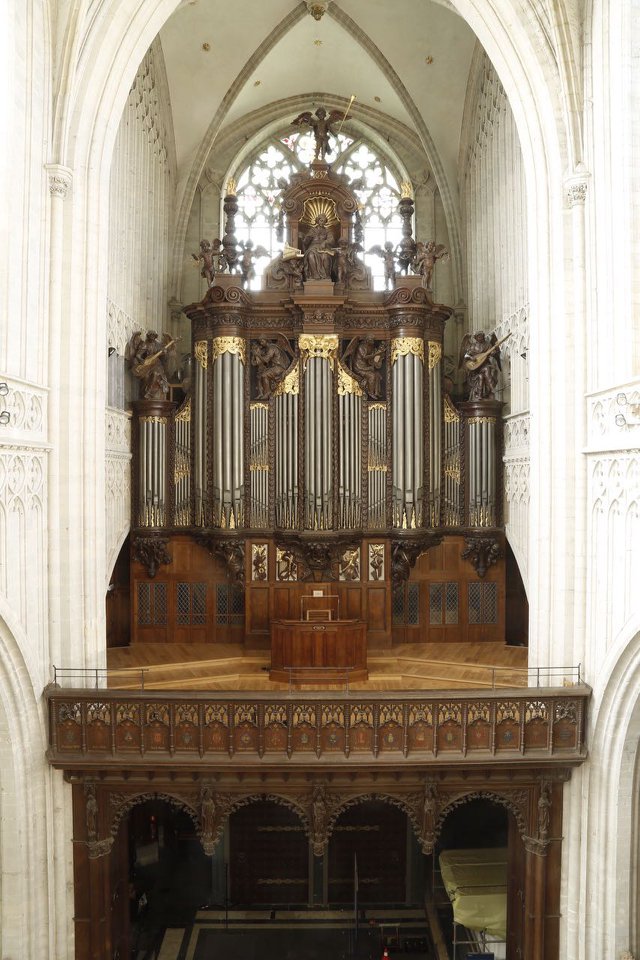
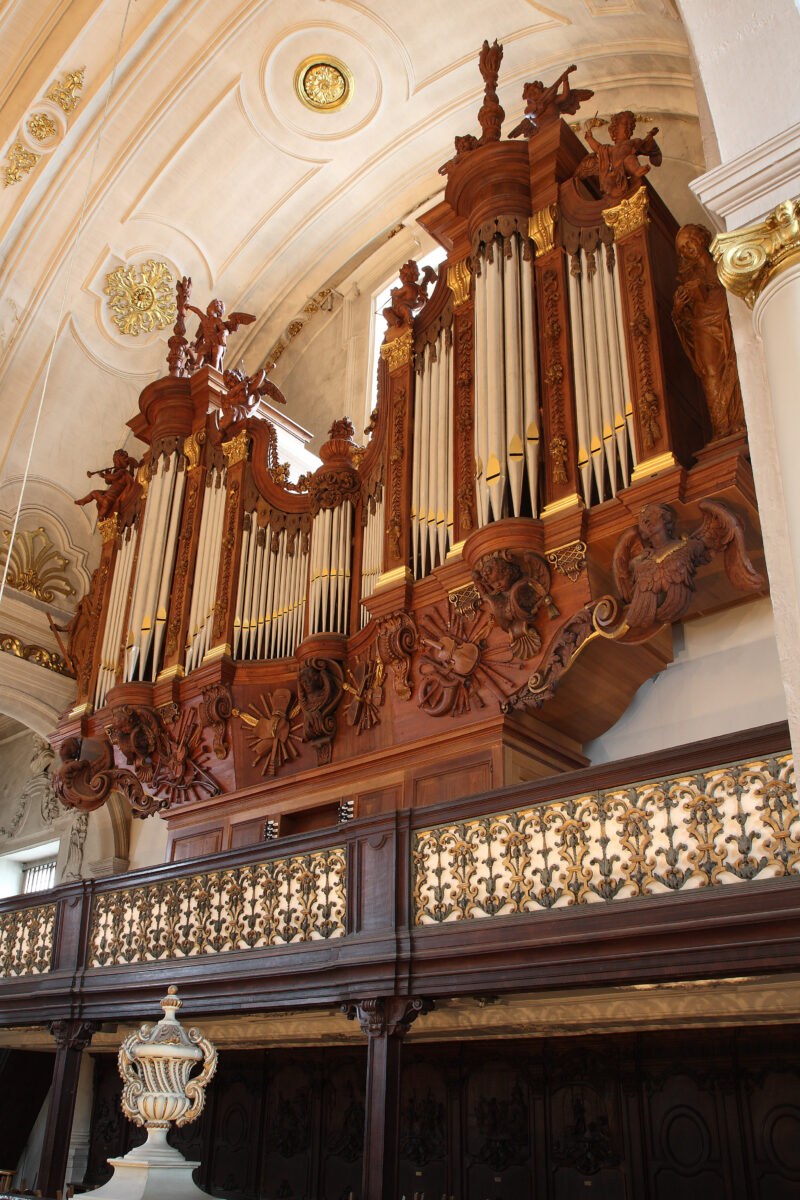
Modern reconstructions of historical organs aim to bridge gaps in understanding by using advanced materials and technologies to replicate the sound and structure of ancient instruments. However, significant challenges remain, including the accurate scaling of pipes and the faithful recreation of the acoustics of historical architectural spaces. The study and preservation of church organs highlight the importance of interdisciplinary collaboration among musicologists, conservation specialists, acoustics experts, and engineers. These efforts not only deepen our understanding of medieval and Renaissance music but also help ensure that the rich legacy of these instruments is preserved for future generations.
Digital Reconstruction and Innovation
Digitising historic church organs will contribute significantly to the preservation of their unique acoustic and structural identities. Using Finite Element Method (FEM) and Computational Fluid Dynamics (CFD), MusicSphere will simulate airflow, turbulence, vibration, and the effects of material aging within organ pipes. Parameterised models will enable adaptation to different organ designs, supporting predictive conservation and well-documented restoration processes. High-resolution 3D scanning, material analysis, and CAD modelling will allow for precise virtual reconstructions of historic instruments. Acoustic profiles of churches housing these organs will be captured using directional impulse responses and ambisonic recordings, enabling the simulation of sound reflections and absorption patterns. This approach will recreate the complex interplay between instrument and architectural space.
All data will be integrated into interactive XR environments that combine accurate 3D visualisations with spatialised soundscapes. Users will be able to explore virtual reconstructions and experience organ sounds within their historical contexts. Real-time polyphonic transcription will archive performances, while AI-based sound synthesis will recreate historic organ timbres for both virtual and live applications. Together, these technologies will enhance preservation, research, and public engagement, ensuring that the cultural and musical legacy of church organs endures.