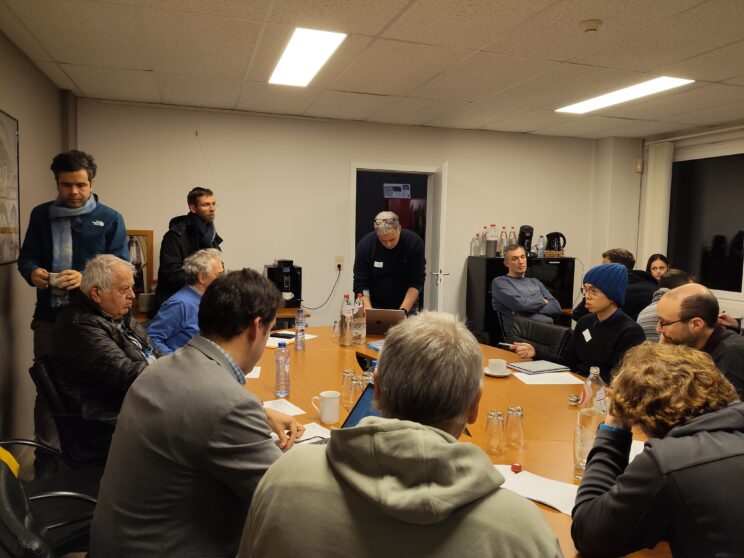
MusicSphere officially launched its hands-on collaboration phase with a two-day in-person internal workshop held on 28–29 January 2026, bringing together consortium partners in Germany and Belgium. The workshop combined internal project discussions with technical visits to two organ-building workshops that are part of the consortium: Klais Orgelbau in Germany and Orgelbau Schumacher in Belgium.
These first in-person exchanges were designed to provide partners with a shared, practical understanding of pipe organs, how they are built, how they function mechanically and acoustically, and how materials and architectural contexts influence sound production. This shared understanding is fundamental for MusicSphere’s ambition to preserve sound and motion, protect original instruments, and digitally rebuild lost or endangered sound worlds through advanced technologies. Establishing this common knowledge base is a key step in enabling partners from different disciplines to move forward together with the initial design and development activities of the project.
Day 1 – Germany (Bonn / Cologne)
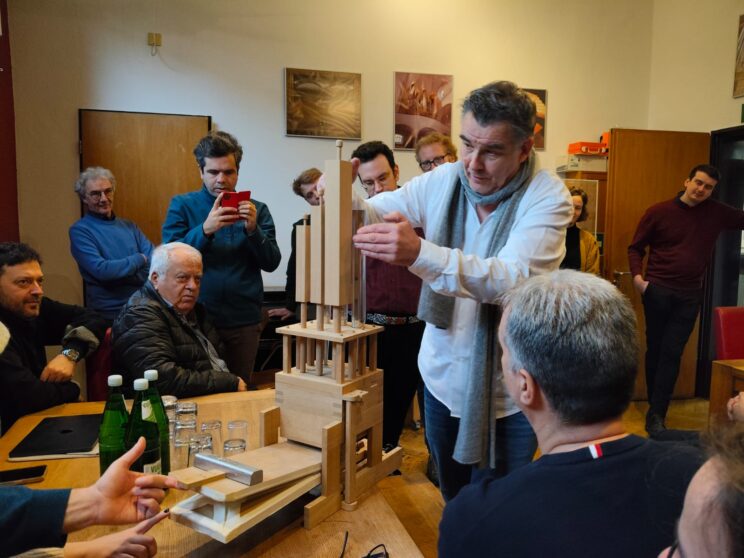
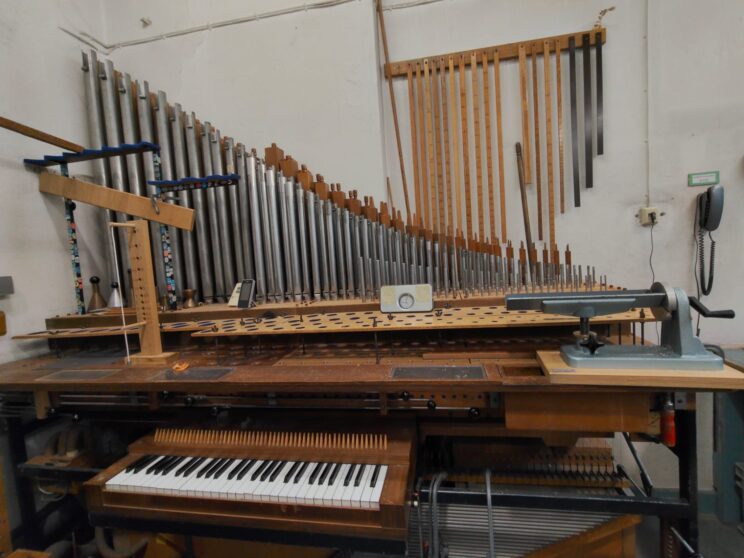
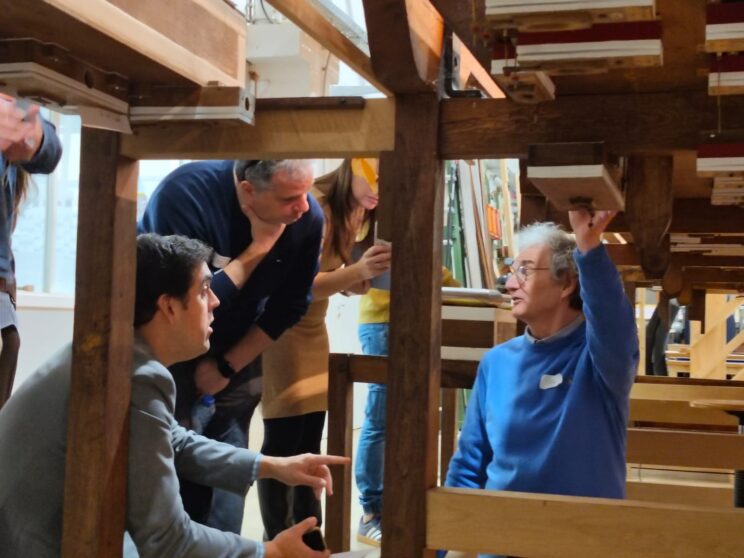
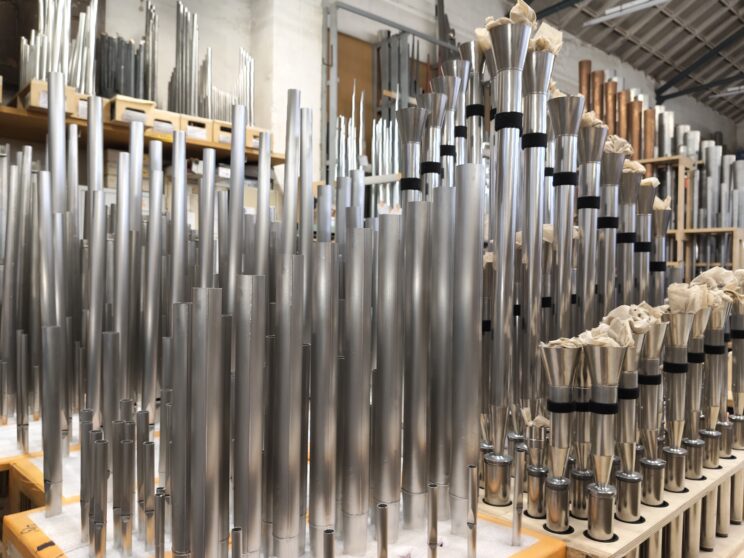
The first day took place in Bonn, where partners were hosted at the Klais Orgelbau workshop facilities. The director, Philipp Klais, organised a visit that offered an in-depth look into the complete lifecycle of large-scale pipe organ construction, from material selection and component manufacturing to assembly and installation. Observing these processes first-hand supports MusicSphere’s work on high-resolution 3D capture, photogrammetry, and CAD modelling, which aim to create precise digital representations of complex instruments.
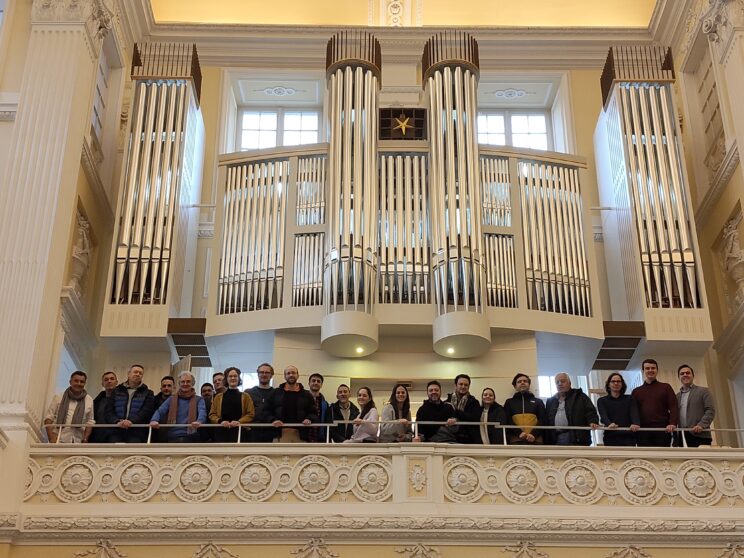
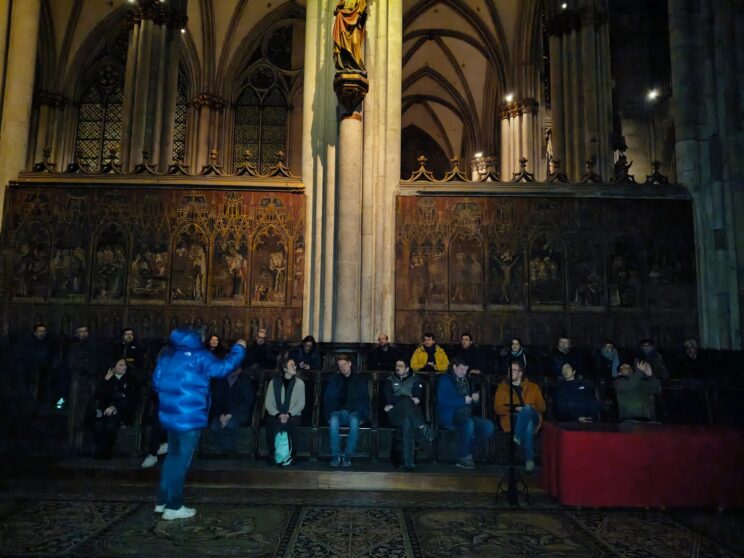
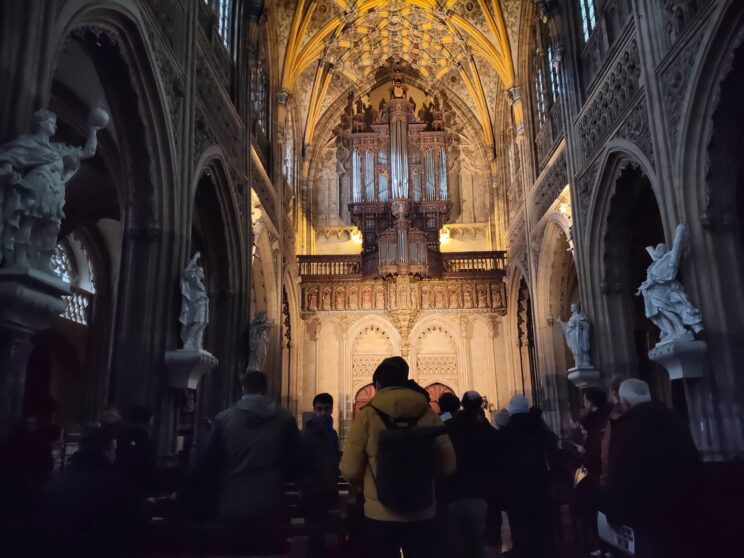
Following the workshop visit, the consortium explored organ installations in real performance environments, including the organ at the Bonn University Church. The day concluded with an evening visit to Cologne Cathedral, allowing partners to experience one of Europe’s most iconic organ settings. These visits provided valuable insight into how airflow, sound behaviour, and architectural space interact, knowledge that directly informs MusicSphere’s acoustic analysis and sound simulation activities. Alternative historic sites such as St. Maria im Kapitol and the Cologne Philharmonie also offered important reference contexts for understanding large-scale acoustic environments.
Founded in 1882 and still family-run today, Klais Orgelbau represents more than a century of expertise in designing, constructing, and restoring large pipe organs worldwide. Their work highlights the close relationship between engineering precision, acoustic design, and architectural integration in heritage and concert settings, a relationship that MusicSphere seeks to translate into unified digital models combining visual, mechanical, and acoustic data.
Day 2 – Belgium (Eupen / Heers / Liège)
The second day continued in Belgium, starting at the Orgelbau Schumacher workshop in Eupen. With more than 65 years of experience, Orgelbau Schumacher brings a strong focus on craftsmanship, restoration, and historically informed construction techniques. The visit showcased how traditional artisan knowledge is combined with modern technical methods, including the in-house manufacturing of all organ components. This close link between manual expertise and technical precision aligns with MusicSphere’s goal of protecting original instruments while enabling their digital preservation.
The workshop visit was complemented by site visits to historic churches, where partners observed restored instruments in their original contexts. These included Sint-Martin’s Church in Heers and Sint-James Church in Liège, offering direct insight into how historical, technical, and artistic considerations come together in the preservation of musical heritage. Experiencing instruments in situ supports MusicSphere’s work on integrating sound and space into immersive virtual and extended reality environments.
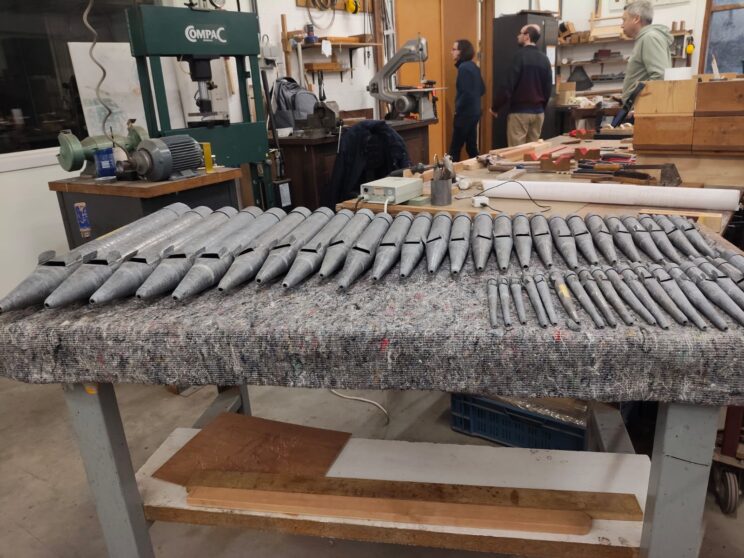
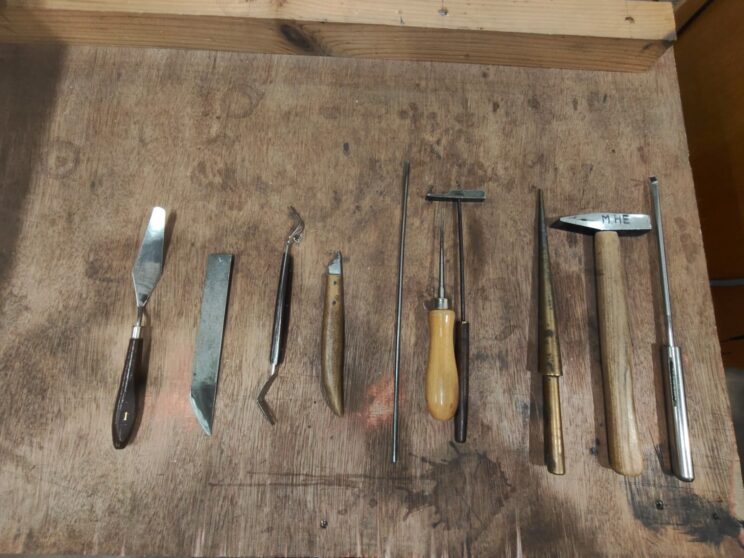
The legacy of craftsmen such as Guido Schumacher illustrates how specialised manual expertise can itself be considered a form of intangible cultural heritage, knowledge that is difficult to document, yet essential for authentic conservation and reconstruction. Capturing and preserving this knowledge digitally is a key challenge that MusicSphere addresses through the integration of visual, mechanical, acoustic, and AI-driven data.
Building a Shared Foundation for MusicSphere
Across the two days, the combination of workshop environments and historic performance spaces allowed the consortium to connect technical organ construction with real-world acoustic, architectural, and cultural conditions. This shared experience provided a crucial foundation for the MusicSphere partners, reinforcing the project’s role in supporting both the preservation of specialised craftsmanship and the development of innovative digital tools for 3D capture, acoustic analysis, virtual experience, and AI-based sound reproduction.
MusicSphere contributes to these efforts within the framework of the European Collaborative Cloud of Cultural Heritage (ECCCH), supporting new ways of documenting, analysing, and sharing Europe’s rich musical heritage through advanced digital technologies, with the long-term aim of preserving sound and motion, protecting original instruments, and rebuilding lost soundscapes for future generations.